
This Resource is for students in Year 12 in the VCE 3&4 English Curriculum writing for the SAC and Section B in the Exam on the Framework ‘PLAY’

What is Writing about Play?
Writing about play is a framework that looks at the exciting and wide range ideas about how play transcends the boundaries of age, culture, language, and time. It can be relevant to anything from games and sports to acting and the creating of literature, musical works, and images. Exploring the idea of play you can discover the variety of ways it is used as a form of self-expression and exploration. Play enables individuals to experiment with different roles, emotions, and behaviours in a controlled environment.
Play and Imaginative Play Ideas
Stories about imaginative play often involve children transforming everyday objects into magical worlds, like a cardboard box becoming a spaceship or a backyard fort turning into a castle, which depict children using their imaginations to have adventures and solve problems.
I hope these play ideas give you inspiration to create your writing piece for the SAC and Section B in the English Exam.
How stories inspire imaginative play
- Transforming the ordinary: Stories show how a simple object, like a box or a stick, can become a tool for adventure.
- Role-playing: Familiar tales like Little Red Riding Hood or The Three Little Pigs allow children to act out different characters and scenarios.
- Encouraging creativity: Books that highlight the creative process, like What If…? and Beautiful Oops!, give children permission to be messy and explore their own ideas.
- Creating new worlds: Stories demonstrate how to build elaborate fictional settings and worlds through imagination.
Books that inspire imaginative play

Alice in Wonderland: by Lewis Carroll: The story follows a young girl named Alice who falls down a rabbit hole into a fantasy world filled with bizarre, anthropomorphic creatures and surreal adventures, such as a Mad Hatter’s tea party and a nonsensical game of croquet with the Queen of Hearts. The story is known for its literary nonsense, wordplay, and memorable characters like the Cheshire Cat and the White Rabbit.
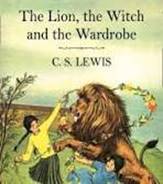
The Lion. The Witch and the Wardrobe: by C.S. Lewis: One day Lucy finds a wardrobe that transports her to Narnia. Once a peaceful realm filled with talking animals, fauns, Giants, and dwarves that is now under a cursed eternal winter by the villainous White Witch. With aid from the majestic lion Aslan, the Lucy, her brothers, and sister lead Narnia into an all-out war as they fight to outwit the Witch and restore peace to the land.
Games that inspire imaginative play

Jumanji Board Game: bring the adventure to life with Jumanji the Board Game. Players and a band of brave adventurers suddenly find themselves deep in a mysterious jungle full of secrets and surprises. Danger lies along your path, threatening to take away your 3 precious Life Tokens. Your goal is to reach Jumanji (the centre) and call out its name.
Films that inspire imaginative play
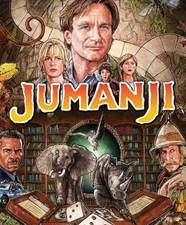
Jumanji the Film Version: The “Jumanji” films explore several themes related to play and imagination, including:
- Adventure and Escapism: The Jumanji games transport characters into thrilling, fantastical worlds, allowing them to escape their everyday lives and embark on extraordinary adventures.
- Teamwork and Friendship: Characters must work together to overcome challenges, highlighting the importance of collaboration and support in achieving goals.
- Personal Growth: Throughout their journey, characters often face personal fears and insecurities, leading to significant character development and self-discovery.
- Confronting Consequences: The game imposes real-life consequences for actions taken within it, emphasizing the idea that play can have serious implications and teaches responsibility.
- The Power of Imagination: The films celebrate creativity and the freedom of imagination, showcasing how games can bring people together and inspire them to think outside the box.
These themes intertwine to create a narrative that is both entertaining and meaningful, engaging audiences while encouraging deeper reflection on play and creativity.
Writing a Short Story Based on Jumanji
Writing an imaginative story inspired by playing a game like “Jumanji” by crafting your own adventure:
Step 1: Create Your Setting
- Choose a Theme: Decide on the overall theme of your story. It could be jungle adventure, outer space, medieval fantasy, or even a whimsical land.
- Describe the Game: Imagine a mysterious board game similar to Jumanji. What does it look like? What are the rules? What unique elements does it have (e.g., magical creatures, traps, helpful items)?
Step 2: Introduce Your Characters
- Main Characters: Develop a few main characters who will play the game. They can be friends, siblings, or even strangers who come together for the adventure.
- Unique Traits: Give each character distinct personalities, strengths, and weaknesses. This diversity will enrich the story and create dynamics during gameplay.
Step 3: Set the Scene
- Discovering the Game: Decide how the characters come across the game. Is it found in an attic, gifted by a mysterious stranger, or discovered on a beach?
- Initial Reactions: Describe their feelings about the game. Are they excited, scared, or sceptical? This reaction sets the tone for the adventure.
Step 4: Start Playing
- Game Begins: Have the characters start playing the game. Describe the first roll of the dice and what happens next. What unexpected challenges do they face?
- Introduce Elements of Gameplay: Include imaginative aspects, such as drawing cards that present quests or encountering fantastical creatures that impact the game.
Step 5: Develop the Adventure
- Encounters and Challenges: Create a series of challenges the characters must face. They could solve riddles, navigate obstacles, or battle mythical creatures.
- Teamwork and Growth: Emphasize how the characters work together to overcome obstacles, highlighting their growth, learning, and developing friendships along the way.
Step 6: Introduce a Conflict
- Rising Tension: Introduce a significant challenge or conflict as the game progresses. Perhaps a powerful antagonist appears or the game itself becomes more dangerous.
- Character Development: Show how characters must confront their fears or insecurities to succeed, providing a deeper emotional layer to the story.
Step 7: Climax and Resolution
- Climactic Moment: Build up to a thrilling climax where the characters must use everything they’ve learned and the bonds they’ve formed to overcome the final challenge.
- Winning the Game: Describe their victory and the rewards they receive. It could be a lesson learned, a magical gift, or simply a return home.
Step 8: Conclusion
- Returning to Reality: Explain how the characters return to the real world. Do they reflect on what they experienced during the game? How has it changed them?
- Open-Ended Thoughts: Optionally, leave the story open-ended with a hint that the adventure may continue or that there are more mysteries to explore.