
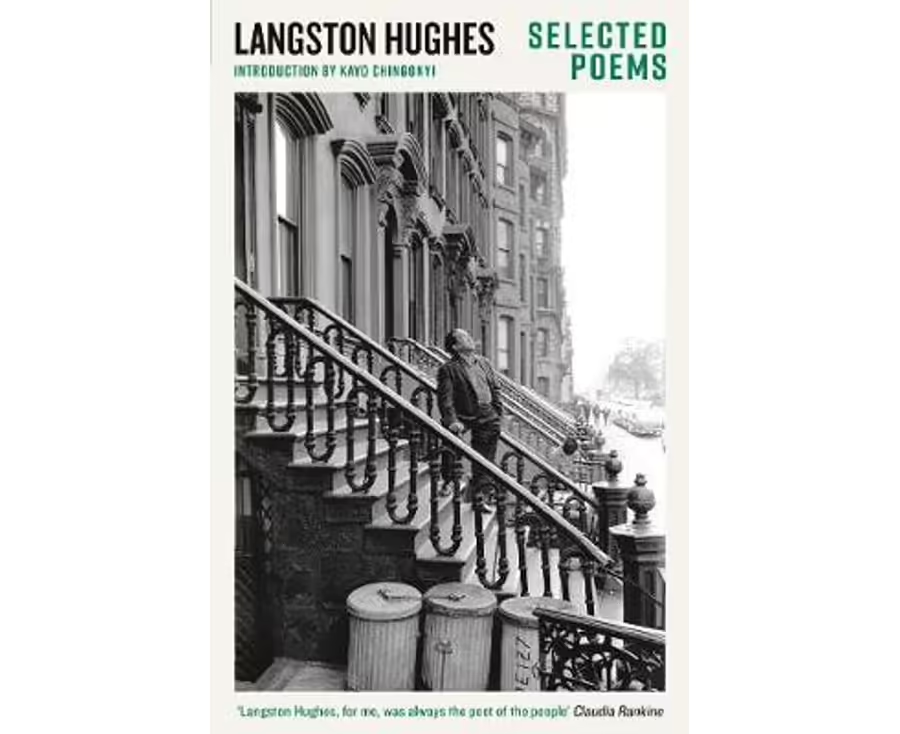
This Resource is for Year 12 students studying Langston Hughes Selected Poems in the VCE Victorian English Curriculum for 2027
If you want detailed tuition to analyse the poems and write essays for this text in VCE English in 2027 please contact me to set up classes.

Via email = margaretnmorris@gmail.com
Fees for one-on-one Lessons = $100 per 1 hour
Lessons online using Zoom include notes on the texts with essay scaffolding of prompts
Context of the US and Racism
The United States of America looms large on the worldwide stage as a rich and powerful country that is nevertheless beset by divisions and turmoil. Just like Australia, racism has been a prominent feature of its history, but there have always been dissenting voices, writers who have drawn on their own experience and that of others to highlight injustice and oppression, and to provide a different perspective to that of the dominant narrative.
Langston Hughes (1902-1967) – Harlem Renaissance
Langston Hughes was a central figure in what is referred to as the Harlem Renaissance, an extraordinary flowering of creative activity from African American writers and artists and musicians in the 1920s that was notable in communities throughout the North and Midwest, but nowhere more so than in the New York City neighbourhood of Harlem. Hughes was born in Missouri and raised in Kansas; eventually he moved to New York as a young man to attend Columbia University, drawn like so many others to the thriving metropolis. Hughes is often cited as one of the first African Americans to make a living from his writing. As well as poetry, he wrote novels, autobiographies, short stories, newspaper columns and plays. However, it is for his poems that he is best known, particularly for his innovations with what became known as jazz poetry and blues poetry and for his efforts to capture authentic African American language and its rhythms.
Selected Poems
Selected Poems was first published in 1959 and is Hughes’ own selection of his poetry, generally considered to be the poems that he wanted to see preserved. The VCAA has selected specific poems for this study are only those from the sections:
‘Afro-American Fragments’ (pp. 1-14)
‘Magnolia Flowers’ (pp. 155- 174)
‘Montage of a Dream Deferred’ (pp. 219-272)
‘Words Like Freedom’ (pp. 273-297).
Perspective of the Text
The poems of Langston Hughes are deeply embedded in his experience of being Black in America in a time of Jim Crow laws and overt racism. Virtually all of the poems selected for study are about the African American experience of being marginalised and oppressed, both lamenting and expressing defiance in the face of this racism. Langston Hughes uses his poems as tools to construct a new social world, to give voice to African Americans who have been ignored, neglected and silenced by the dominant voices in early 20th century American life, namely white voices.
Critical Race Theory (CRT)
Given this focus on race, it seems natural to read the poems through the lens of Critical Race Theory. CRT is an academic framework developed in the 1970s-80s that argues racism is not just individual prejudice, but is systemic—embedded in legal systems, policies, and societal institutions. It views race as a social construct used to create inequality, rather than a biological reality.
Hughes frequently highlights how racial injustice is embedded in American institutions, demanding that society recognise the humanity of African Americans in a segregated nation. As an activist doctrine, CRT asks readers to not only consider how Hughes depicts the racism of the 1920s-1950s in America as a purely intellectual and historical document, but to ask ourselves how racism continues to function as a persistent force in American (and Australian) society and how can we combat racism to ensure that all members of society are treated in a fair and equitable manner.
Horrific Examples of Racism in the Collection
The ’Magnolia Flowers’ section includes some of the most horrific examples of racism in the collection but it also includes poems like ‘Uncle Tom’ (p. 168) and ‘Porter’ (p. 169) that show the more subtle aspects of racism, including microaggressions like the necessity to refer to white people as ‘sir’ in the latter poem: ‘I must say / Yes, sir, / To you all the time.’
Hughes uses Sisyphean imagery to convey how it all mounts up: ‘All my days / Climbing up a great big mountain / Of yes, sirs!’ Hughes opens ‘Uncle Tom’ (a term that refers to an African American man considered to be submissive or servile to white people) with an observation of what is not outwardly visible in this character: ‘Within— / The beaten pride.’ On the outside he has a ‘grinning face’ and a ‘sly and servile grace’ that Hughes’ alliteration drives home as something to be abhorred rather than admired in this person who has been ‘Taught well / To know his / Place.’ The final rhyme and the decision to give the word ‘Place’ its own line both serve to emphasise that this place inhabited by African Americans, and is an inferior one to that occupied by the dominant culture. The character in ‘Old Tom’ is not physically beaten but has been mentally cowed and his desire to rebel removed through the institutionalised racism that he has internalised.
Sisyphean imagery in Hughes poetry refers to the use of vivid, descriptive language to depict a task, struggle, or existence that is endless, repetitive, and ultimately futile.
Development of the Poetry in the Collection – Back to Black Dominant Culture
We can see some kind of development in the poetry of Langston Hughes across the decades that are covered in this collection. While many of his earlier poems from the 1920s (such as ‘The Negro Speaks of Rivers’ and ‘I, Too’) express a sense of Black pride in the face of racist oppression, his poems of the 1950s, particularly those in ‘Montage of a Dream Deferred’, display a more subtle speaking back to the dominant culture and a refusal to be co-opted by white narratives of what it means to be Black in America.
The word ‘Negro’ refers to African Americans in Hughes’ Poems
This word, while widely accepted as polite usage when Hughes wrote his poems, is now considered outdated and offensive in most contexts. The terms ‘Black’ and ‘African American’ are acceptable substitutes in modern, 21st century society. However, the poems contain many racial slurs, racial violence and use of the word ‘Negro’ which contextualise Hughes’ life experiences as an African American man growing up and living in racially segregated Jim Crow-era America and represent the lived experience of his contemporaries.
Themes in Hughes Poems
Main themes from the poems under study are:
Identity and Pride / Dreams / Belonging and Connection / Equality, Discrimination, Racial Oppression / Freedom
Selected Poems centres on the African American experience through themes of racial pride, systemic injustice, the resilience of the working class, and the vibrancy of Harlem culture. The collection merges lyrical beauty with musicality, utilizing jazz and blues rhythms to depict both the joy and despair of everyday life. Other key themes in the collection include:
Racial Identity and Pride / Protest against Racism and Injustice / Social Hope / Celebrating Black Life in Harlem / Music and Cultural Expression